1. Safety talk
The team explains how to avoid sticks, what to do if someone is exposed and who should stay out of the area.
Elkhart, IN · Elkhart County
One needle usually means there could be more. In Elkhart, call (877) 812-4220 for a careful sweep of the property, safe collection of every sharp and cleaning of the surfaces they lay on.
If anyone is in danger, call 911 first. For a suicide crisis, call or text 988.
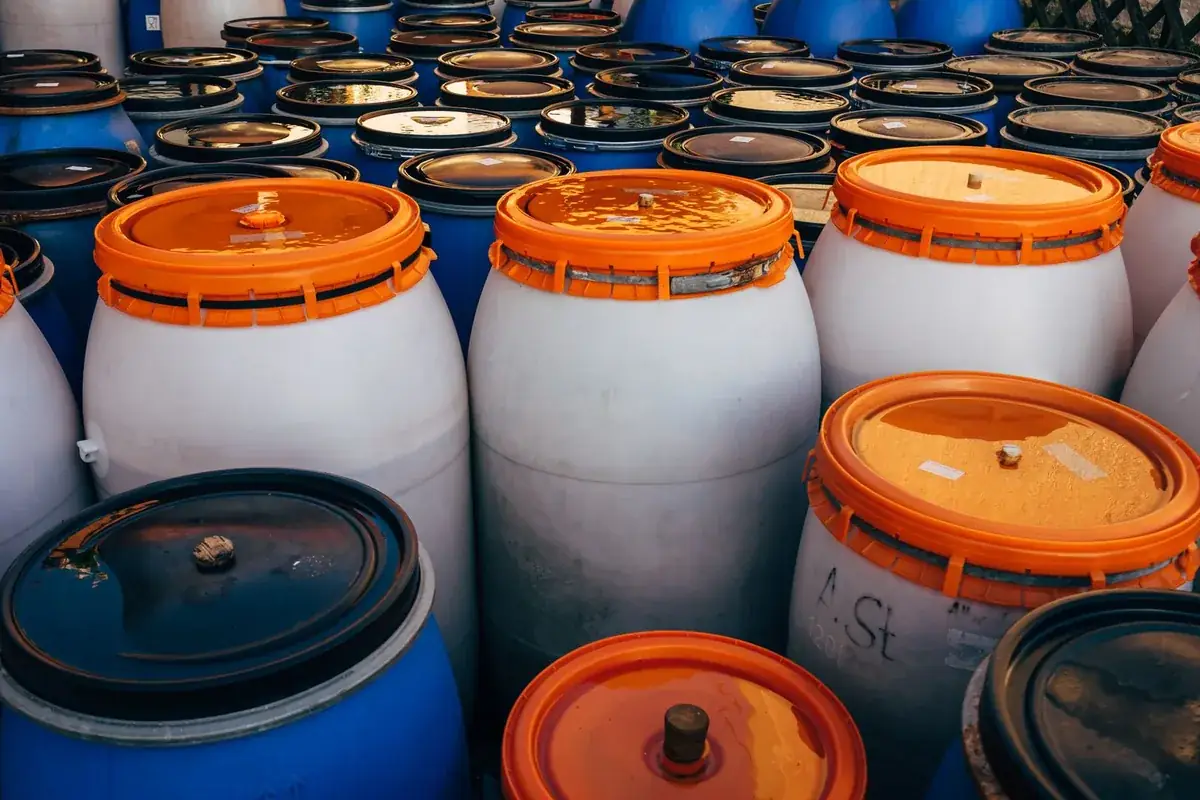
Needle and syringe pickup is a form of biohazard cleanup aimed at sharps. Protective equipment, special containers and proper disposal are part of every job.
When your rental, lot or storefront in Elkhart has needles on the ground, call Elkhart Biohazard Cleanup Help for a full sweep. Crews work quietly across Elkhart County and can arrive in an unmarked vehicle if you prefer privacy.
With roughly 47% of Elkhart households renting, turnover is common and units are checked between tenants. Tell the doctor where the needle was found. The nearest emergency room to Elkhart is Elkhart General Hospital, about 2 miles away.
What needle & sharps cleanup covers:
The team explains how to avoid sticks, what to do if someone is exposed and who should stay out of the area.
The team moves in a set pattern so no section is skipped, since a single missed needle is still a hazard.
Everything is hauled off as regulated waste. Nothing is thrown out with household trash.
The crew removes the containers, double-checks the space and answers questions before leaving.
The cost of needle & sharps cleanup in Elkhart, IN depends on the amount of material, how it is packed and how it is hauled.
Disposal as regulated medical waste is part of the work, and treatment facilities charge by container or weight.
| Type of job | Typical range |
|---|
Figures are planning ranges from , not a price for any specific Elkhart property. Price drivers include number of items, where they are found, whether a sweep of a large area is needed, waste disposal. Call (877) 812-4220 any hour.
The crew searches the whole area with protective gear and tools. It collects each sharp into a puncture-resistant container, cleans surfaces where sharps lay, and hauls the sealed containers away. A final walk checks that nothing was missed, and the team can provide a record.
A small yard or single room can be quick, while a building or large lot takes longer. Clutter, hidden spots and the amount of sharps affect the time. A cleanup team can give a realistic idea once it hears the details.
No. Crews focus on safety and cleanup, not on why the needles are there. The team asks only what it needs to plan the work, and you decide what else to share.
Do not go in to look. Report it to the owner, the local health department or a cleanup team. A team can sweep the whole building in protective gear, remove the sharps and give the owner a record of the work.
Lease terms and local law decide. A landlord, an attorney or a tenant rights group can say who is responsible. In many cases the property owner books the sweep first so the unit can be used again, and the cost is sorted out afterward.
Loose needles should not go in household trash, because they can stab sanitation workers. Rules for small amounts of household sharps vary by city and county. The local health department can say what is allowed, and a cleanup team can take larger amounts.
Ask about discreet arrival in an unmarked vehicle if privacy matters.
Call (877) 812-4220